The shoot itself takes about two hours for a standard house. Everything that decides whether the gallery works happened before the photographer arrived.
That is not a complaint about vendors. It is the reason this list exists. Photography fixes a great deal, and there are five or six things it cannot fix at all, and those are the ones worth spending an hour on.
Start with which way the house faces
Before you set a time, work out where the light lands.
A west-facing living room is at its best in the afternoon and looks like a cave at nine in the morning. An east-facing one is the reverse. A north-facing back deck holds usable light through most of the day, which is why so many Brisbane houses are built with one. Pick the slot that suits the room the campaign is being sold on, not the slot that suits the diary.
Book early in the day where the property allows it. A 9:00 am shoot delivers same day comfortably. A late-afternoon start cannot, because most of the shoot has not happened yet by the time the office closes.
Dusk is a separate question. A dusk shoot is an add-on from $60, and it earns out on properties with external lighting, a pool, a view or genuine architectural form. On a flat-fronted brick house with no outdoor lighting it buys you the same house in worse light. Say that to the vendor rather than adding it by default.
The whole-house pass
Do this once, before anyone starts on individual rooms.
Cars off the driveway and off the street directly in front. Bins out of sight, including the neighbour's if it is standing in your front elevation. Hoses coiled and put away, pool cleaner out of the water, pet bowls and litter trays out of every room.
Every benchtop, vanity and windowsill cleared. Not tidied. Cleared. A kitchen bench with a kettle, a toaster, a knife block and a fruit bowl reads as a small kitchen no matter how large it is.
Windows and mirrors cleaned, because both are photographed directly and both show every mark at full resolution.
Light globes matched. This is the one nobody thinks of and it is the most expensive to correct. A room with a warm globe in one fitting and a cool white in another has two different colour temperatures in it at once, and no amount of white balancing makes both look right in the same frame. Replace the odd one out.
Every blind and curtain opened to the same position, on every window in the house. Half-open blinds in a row are visible in a wide frame and there is no way to fix them afterwards.
Personal photographs, medications, calendars, kids' artwork and anything with a name or an address on it put away. Buyers should be picturing themselves in the house, not meeting the current occupants.
Room by room
Living areas. Furniture pulled slightly off the walls so the room reads as having depth. Remotes, chargers, cables and magazines gone. Cushions straightened but not karate-chopped. Rugs squared to the furniture rather than to the room. Turn the television off; the black rectangle is replaced in editing, but a switched-on screen makes that harder.
Kitchen. Everything off the bench except one deliberate object, if any. Tea towels out of sight, magnets and paper off the fridge, sink empty and dry, bins out of the room entirely. If the range hood or splashback is a selling feature, clean it properly, because it will be photographed close.
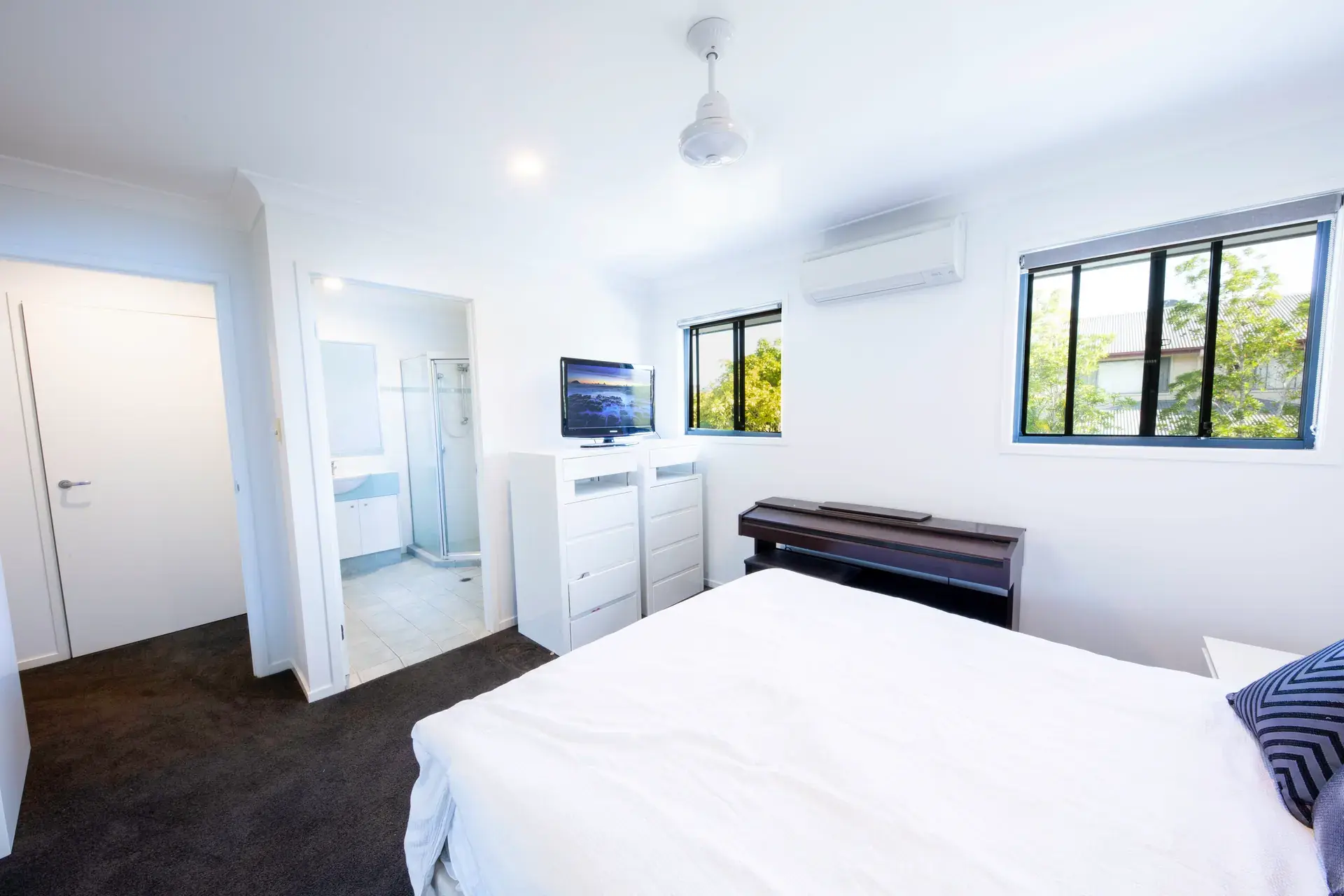
Bedrooms. Beds made properly with matched linen and the pillows even. This matters more than anything else in the room, because an unmade bed is the first thing anyone notices and it cannot be repaired in editing. Clear the bedside tables down to a lamp. Shut the wardrobe doors unless the storage is a feature, in which case tidy the inside of it.
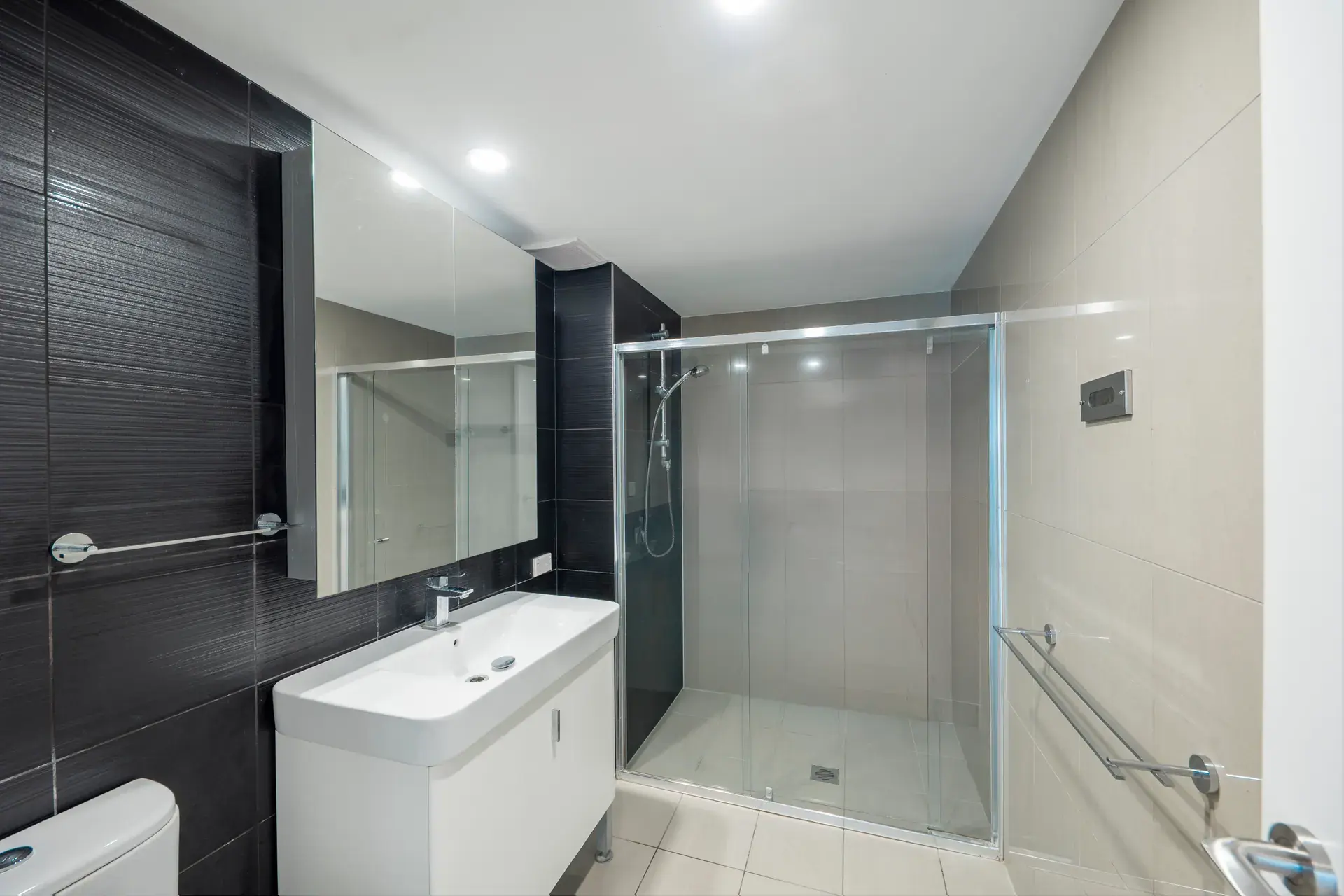
Bathrooms. Everything off the vanity, toilet lids down, towels either fresh and hung evenly or removed altogether, bath mats straight, shampoo bottles and toothbrushes gone. Bathrooms are small, reflective and difficult, so the fewer objects in them the better.
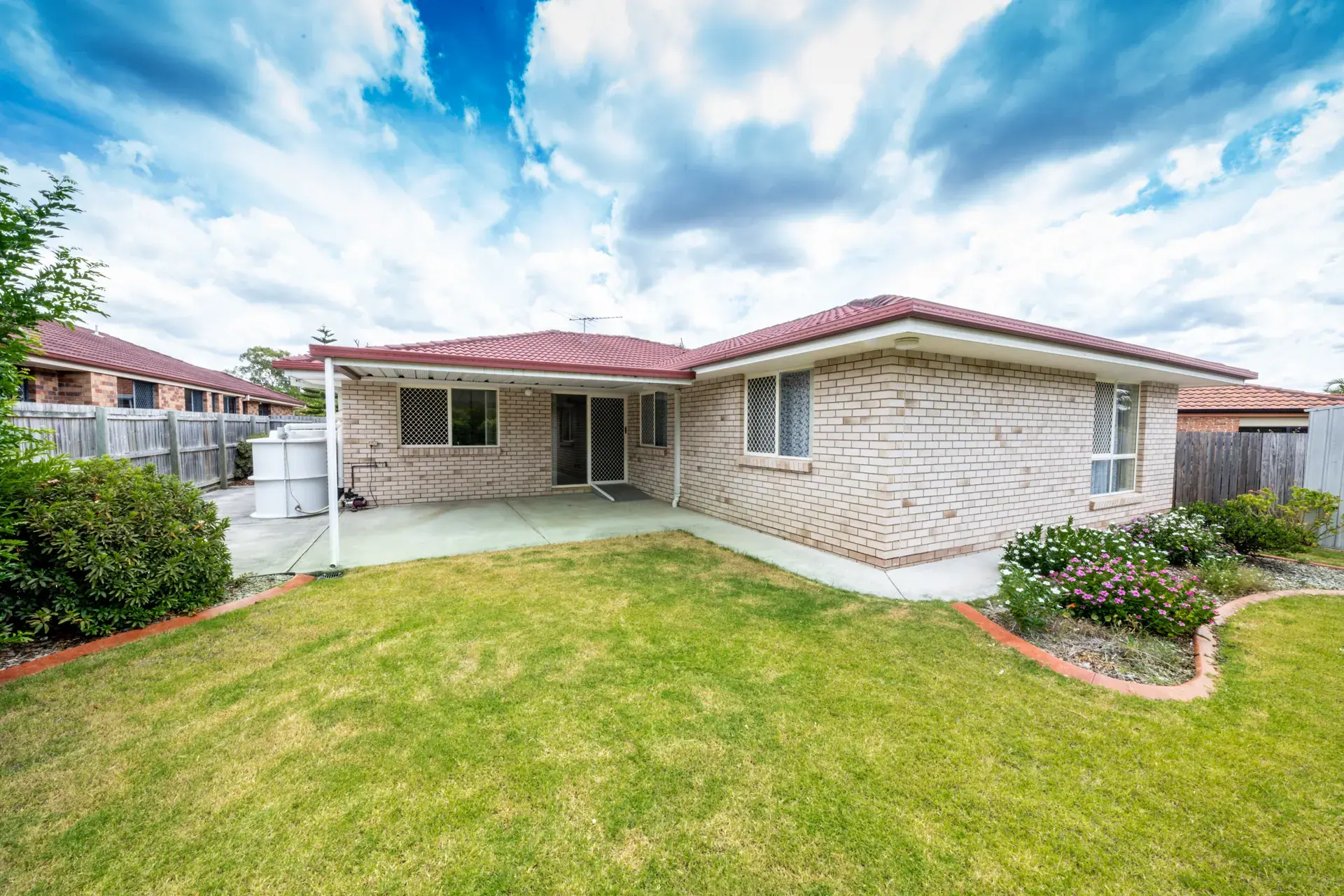
Outdoors. Lawn mowed and edged the day before, not the morning of. Garden beds weeded, paths swept, outdoor furniture arranged as if someone were about to sit in it. Trampolines, washing lines and children's play equipment are judgement calls: they photograph as clutter, but removing them can also remove the reason a family buys the house.
What editing fixes, and what it does not
Every image we deliver gets the same set of corrections, including window pulls, straightened verticals, sky replacement, lawn repair, pool cleaner removal, screen replacement and reflection removal. The full list of sixteen is here, along with what each of them looks like when it is skipped.
What none of it fixes: clutter, an unmade bed, dirty glass, mismatched globes, a car in the driveway, blinds at different heights, or a room too full of furniture to photograph. Those are all decided in the hour before the shoot.
Virtual staging is the exception worth knowing about, at $85 per image, and it is for genuinely empty properties rather than badly furnished ones. Three or four rooms is normally the right quantity: the main living area, the master, and one flexible room where you want to suggest a use.
How many images the listing needs
Photograph what a buyer needs in order to decide whether to attend the open home, which is fewer frames than most people expect and more than a fast quote allows.
The non-negotiables are the front elevation, the main living space, the kitchen, the master bedroom and the primary outdoor area. After that come the remaining bedrooms, the bathrooms, the second living zone if there is one, and whatever the property is genuinely being sold on, whether that is a view, a pool, a shed or the land.
Ten images suits units and townhouses. Fifteen is the standard set for most three and four bedroom houses in Brisbane. Twenty-five is for acreage, luxury listings and homes with separated living zones. Prices for each are on the listing photography costs page, and the whole real estate list is here.
Buying fifteen for a house that needed twenty-five shows up as a portal gallery that jumps from the kitchen to the back fence.
Brisbane, by season
Summer. Shoot early. Storms build through the afternoon, and even without rain the light goes flat and grey ahead of one. Humidity fogs a lens brought out of an air-conditioned car, so the photographer may need a few minutes on arrival before starting.
Winter. Clear skies and low sun, which is good for exteriors and short on hours. The window for a west-facing back yard closes early, so a winter shoot needs a tighter running order through the house.
Gardens in Brisbane look their best from about September through November, and worst at the end of a dry winter. Lawn repair is included in the editing, and it is still better to have a real lawn than a repaired one.
Access and delivery
Confirm before the day who is letting the photographer in, whether the property is tenanted, and whether pets need to be contained. A tenanted property needs proper notice and a realistic conversation about presentation, because you are asking somebody to live in a staged house for a morning.
Base is Sunnybank Hills, with a 12 km radius covered as standard and anything further quoted on the address. Delivery is same day where the timing allows and 24 hours guaranteed, with payment taken up front so nothing waits on an invoice while an agent needs files for a Saturday open home.
One hour
If you only have an hour, spend it in this order: cars and bins, then benchtops and vanities, then beds, then blinds, then the lawn. That order is roughly the order in which each problem is impossible to fix later.