Almost every wedding photographer's website leans on one of two words. Documentary, or traditional. A few manage both in the same paragraph, which tells you nothing at all.
The difference is not an editing style, a colour palette or the presence of film grain. It is a question about who decides where people stand.
The two approaches, described plainly
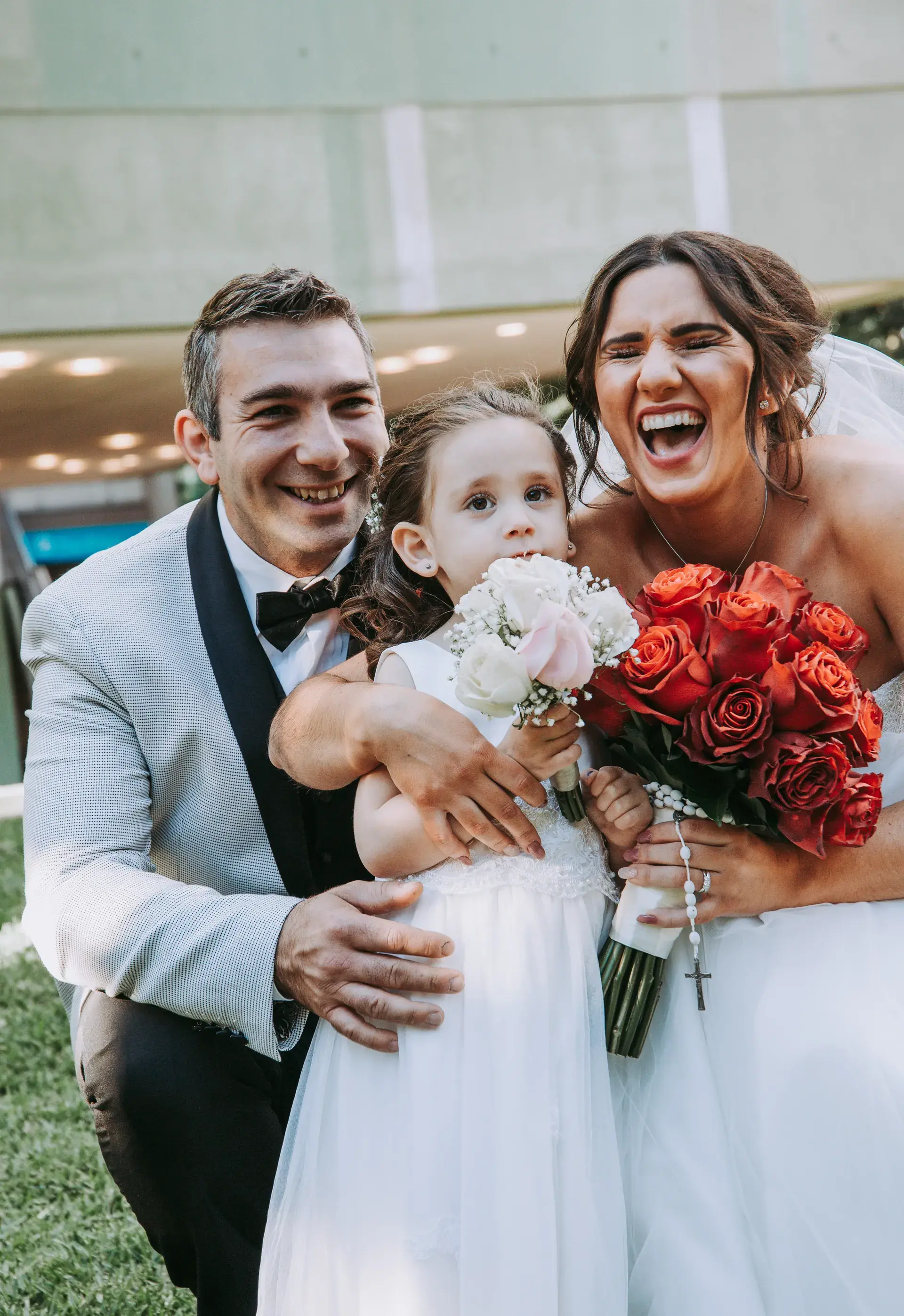
Traditional coverage is directed. The photographer arranges the people, chooses the background, works with the light and says when. Family groups, the bridal party line-up, the portraits of the couple, the cake cut performed once properly for the camera. The photographer is a participant in the running of the day.
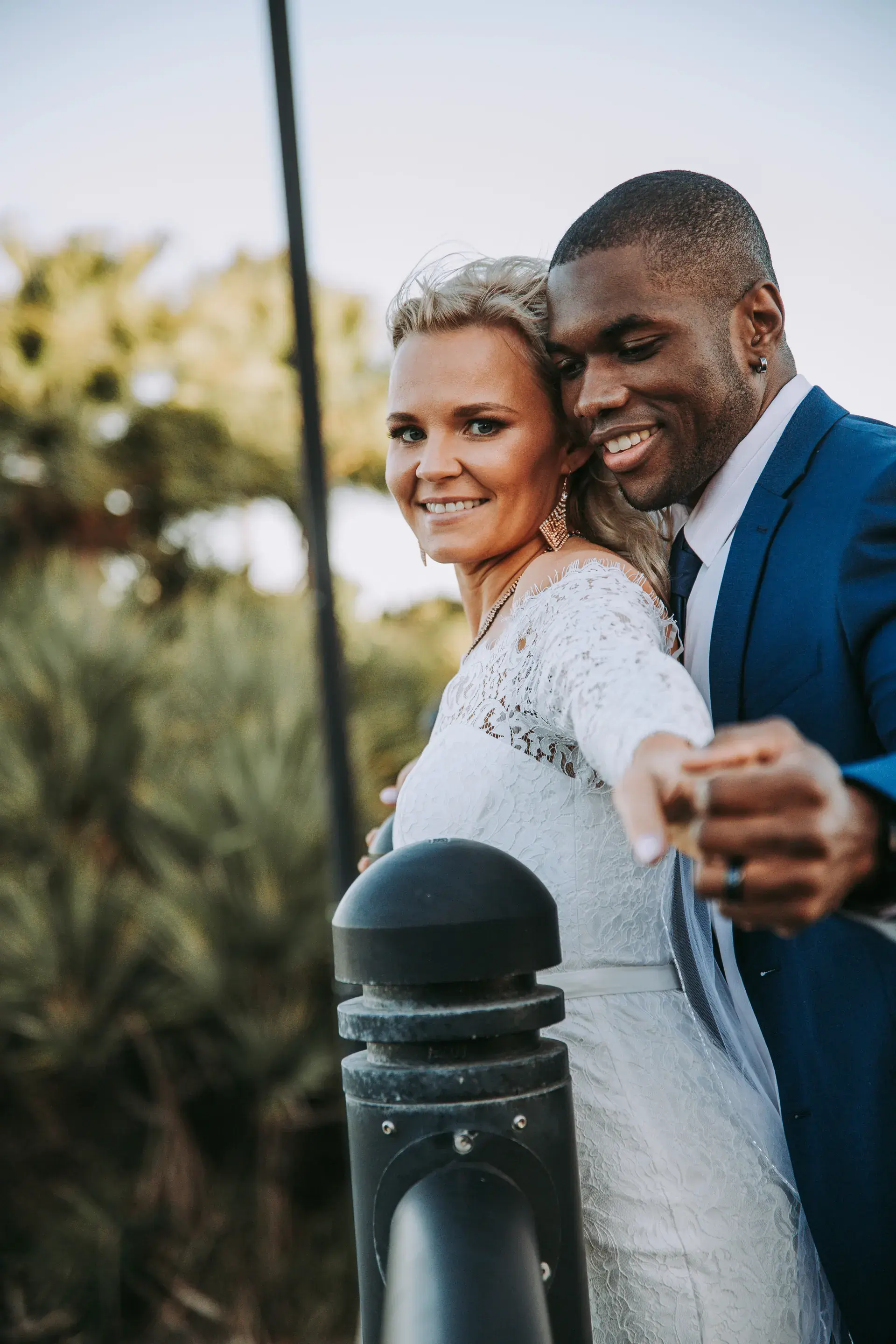
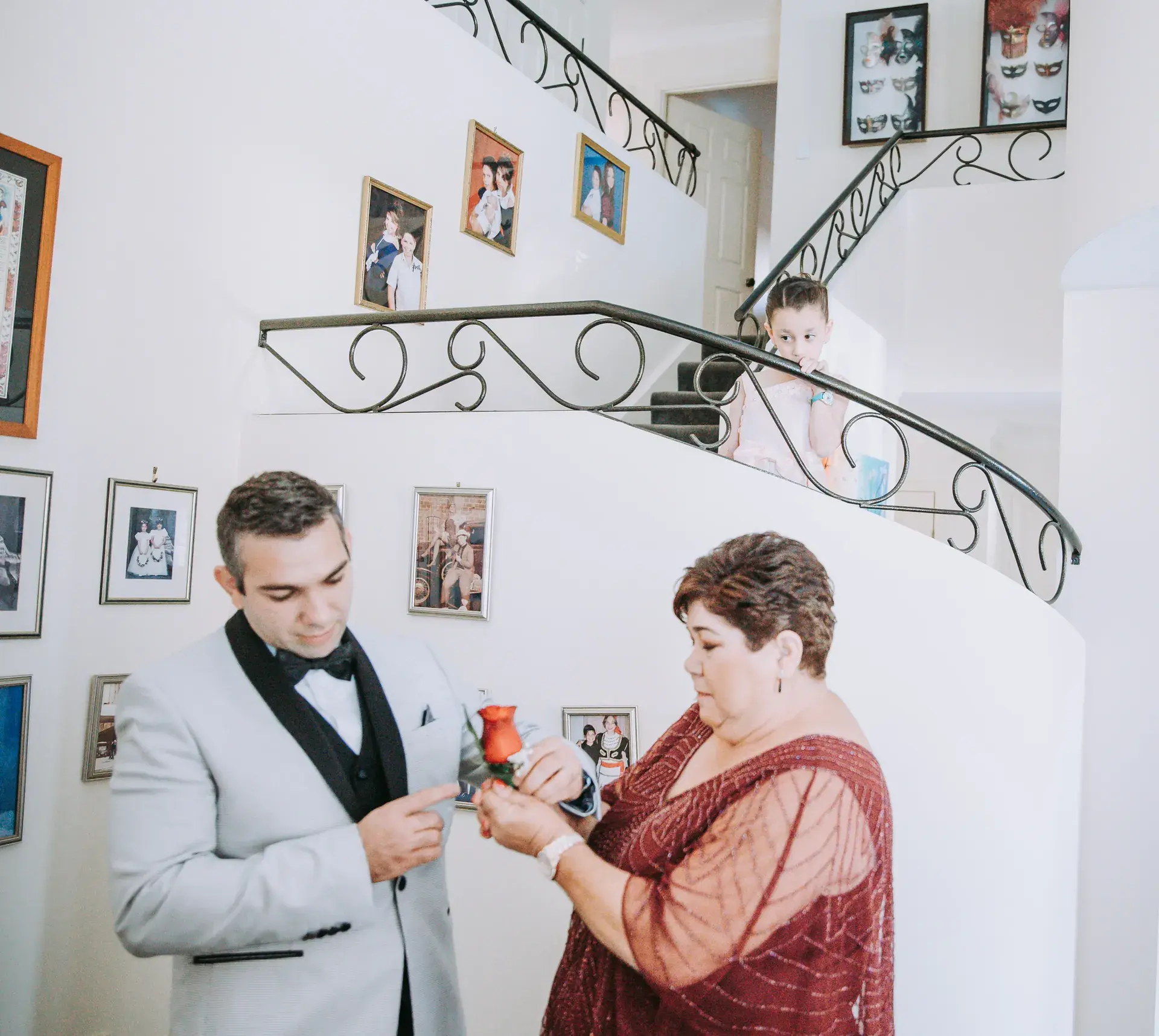
Documentary coverage is observational. The photographer works out where to stand and then waits. Nothing is asked for twice. What was going to happen happens, and the photographs are a record of it rather than a production of it.
Most working photographers do some of each. So the useful question is not which word your photographer prefers. It is what the proportion is, and which half gets protected when the schedule slips, because on a real wedding day something always does.
What posing gives you that documentary cannot
Every relative accounted for. This is the strongest argument for directed photographs and it is rarely made properly. Observational coverage produces beautiful frames of the people who happened to be in front of the camera. It cannot promise you a photograph of your father's sister, because nothing in the method guarantees she was ever in shot. A called list does. If there is someone at your wedding whose absence from the gallery would upset you, the only reliable way to have them is to write their name down.
Grandparents seated and in frame. Older guests tend to find a chair early and stay in it, often at the edge of the room where the light is worst. That is exactly how they end up thin on the ground in a gallery that is entirely candid. A directed group brings them in, seated and comfortable, and gets them back to the chair.
One photograph for the mantelpiece. Everyone facing the same way, eyes open, nobody mid-sentence or holding a drink. Families want this frame, it is the one that ends up on a wall, and there is nothing unsophisticated about wanting it.
A second attempt. A directed frame can be corrected. Someone blinked, someone stepped forward, the sun moved. Go again. A moment cannot be asked to happen a second time, and a photographer who missed it has simply missed it.
Portraits that are actually flattering. Hands, chins, the hem of a dress, a bin thirty metres behind you in an otherwise perfect background. Ninety seconds of direction fixes every one of those, and none of them can be fixed afterwards without the photograph starting to look retouched.
What documentary gives you that posing cannot
The reaction nobody arranged. Your mum's face during the vows, at the moment it happened, not the reconstructed version afterwards. This is the whole argument on this side of the ledger and it is a big one. It is also what most couples mean when they ask for natural wedding photos: not a lighting style, but the absence of anybody being told what to do.
Context. The room before anyone sat down. The weather doing what Brisbane weather does. The mess on the table at the end of the night. Directed photographs record people; observational photographs record the day those people were having.
Guests behaving like themselves. People who know a camera is coming arrange their faces. People who do not, do not.
Children. Children cannot be posed in any meaningful sense. A directed approach to a four-year-old produces photographs of a four-year-old being held still, which is a photograph of an adult's hands.
Time back. Observation costs nothing off your running sheet. Every directed set is minutes taken out of somewhere else.
The part that is really a maths problem
Photographing a family grouping is fast. Assembling one is not. The frame takes seconds; finding the people, waiting for the ones who went to the bar, and working out that a cousin is in the car park takes far longer than anyone budgets for. Plan on assembly time, not shutter time.
That matters more than it sounds, because coverage here is a solo photographer on every package. One person cannot direct thirty relatives on a lawn and simultaneously watch the room where the good unguarded moments are happening. Every minute of arranging is a minute of not observing, and no amount of goodwill changes that arithmetic.
Which is why the sensible plan is a short, well-organised directed block at a fixed point, rather than groups scattered across the afternoon whenever somebody remembers another combination.
How we work
Every wedding runs differently, and it is photographed as it happens rather than staged. Being non-intrusive is the whole method: you get on with the day and the camera stays out of it. Most of it comes down to knowing where to stand and when not to interrupt.
The deliberate exception is the family groups. Those are directed, worked through as a written list at one agreed point in the running order, and finished rather than dragged out. Portraits of the two of you sit in between: enough direction to put you somewhere the light is doing something worthwhile, then largely left alone, because two people talking to each other photograph better than two people being arranged.
More on how the day is structured is on the weddings page.
The Brisbane part of the decision
This city adds a variable that changes the balance. Most of the best-photographing locations here are public parkland with no cover, and from November to March the storms build in the late afternoon, which is the same part of the day your portraits need. Combine that with a summer sunset near 6:45 pm and a winter one near 5:00 pm, and the schedule is genuinely fragile.
Directed photographs are what suffer when it goes wrong. Observational coverage carries on in a downpour under a marquee; a twelve-part group list does not. If your day is outdoors in the wet season, do the groups early and keep the list short. The venue-by-venue notes on light and wet-weather plans go through which locations have a real fallback and which do not.
Five questions that decide it for you
- Is there anyone whose photograph you would not forgive yourself for missing? If yes, the group list is not optional, and it should happen early rather than late.
- Is the day formal or informal? A seated three-course reception with a running order supports directed work. A backyard with a spit roast does not, and it will feel wrong if you try.
- Is anyone's health uncertain? Then the posed groups happen before the ceremony if that can be arranged, not at the end of the night.
- Do you dislike being photographed? Then go documentary for the day and accept one short, contained portrait window. Fifteen focused minutes will get you better pictures than two hours of being self-conscious.
- Are the family relationships complicated? A group list involving separated parents or a blended family is a planning document as much as a photography one. Write it, and mark who should not be in the same frame.
The single most useful thing you can send us
A written family group list, in the order you want them photographed, with a named person from each side who can round people up and is not in the wedding party.
That one document does more for the finished gallery than any stylistic decision either of us will make. It converts the slowest part of the day into the fastest, and every minute it saves is a minute spent watching for the photographs nobody planned.
Where coverage hours come into it
The shorter the booking, the more sharply this choice bites. A one-hour ceremony booking has room for either a compact group list or some observation, not a generous amount of both. Six hours has room for both without either one being squeezed. What each length actually reaches is broken down in what a wedding photographer costs in Brisbane, and if your budget is closer to the bottom of the range, what $698 and $980 cover sets out the boundary.
Packages run from one hour to a full twelve-hour day and are listed with prices on the pricing page. Send your date, venue and running order through the contact form and we will tell you where the groups fit and what the rest of the day looks like around them.