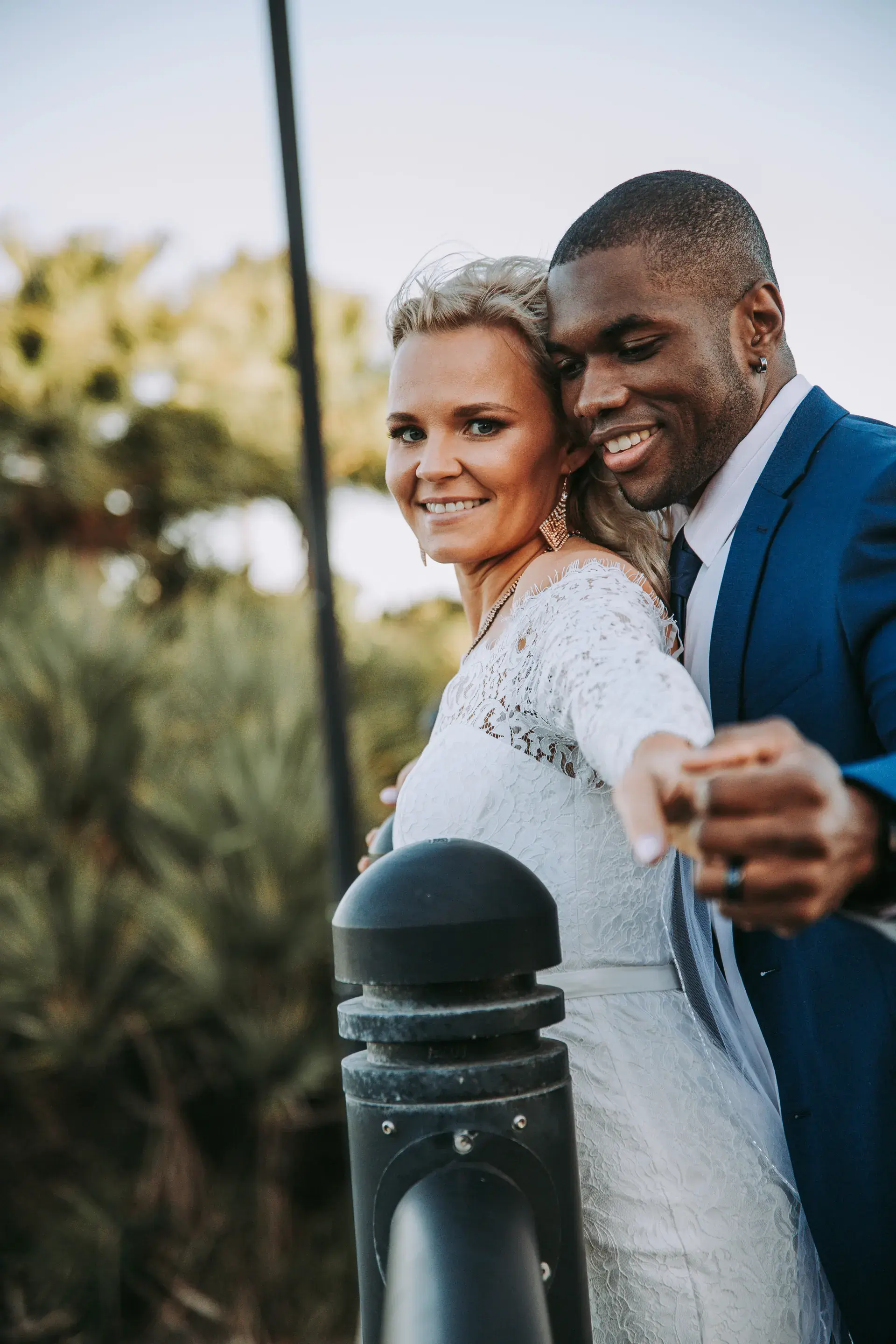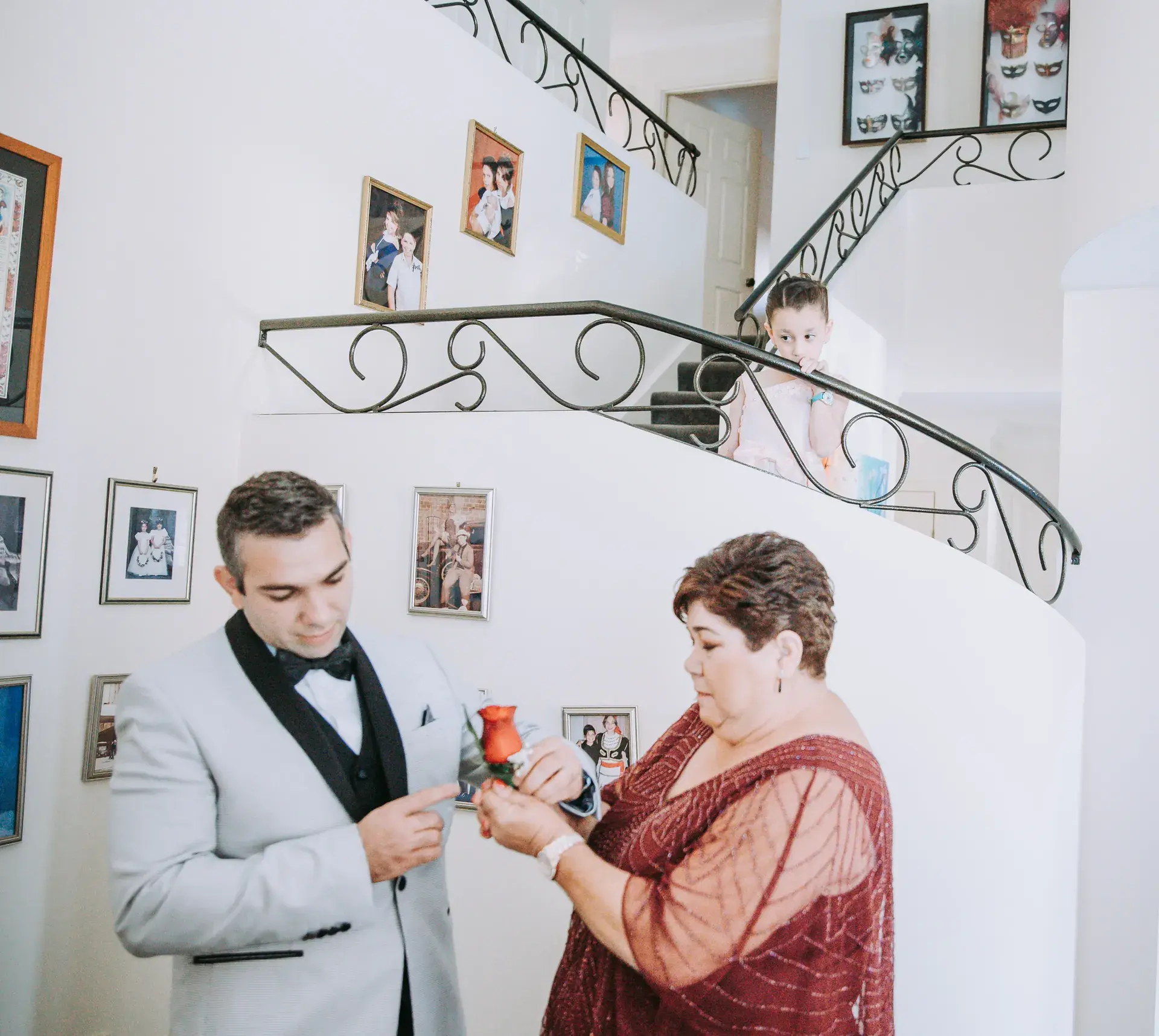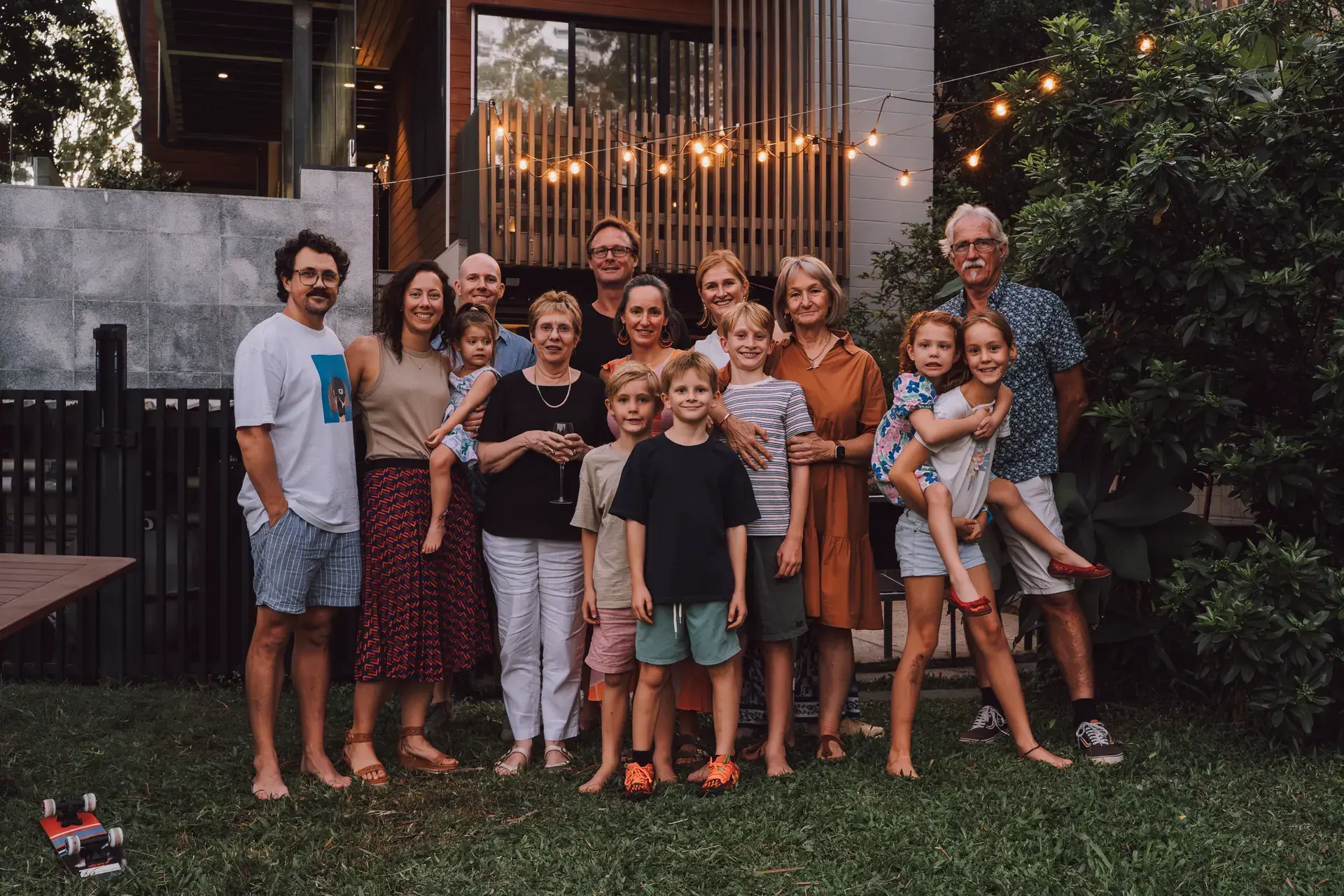
The best family photographs usually come out of the parts of the session where nobody was trying. Everything you do beforehand is really about buying enough patience to get there.
Three decisions carry most of the weight, and none of them is about the camera.
Pick the time around the youngest person
Not around your Saturday. A session booked over a two-year-old's nap will produce exactly what it deserves.
Beyond that, there are two workable windows in a Brisbane day. The first two hours after sunrise, and the ninety minutes before sunset. Between about nine in the morning and four in the afternoon the sun is high, the shadows land under everyone's eyes, and in summer it is genuinely unpleasant to stand outside in.
The catch is that both windows move. Sunset in Brisbane runs from about 5:00 pm in mid-June to about 6:45 pm in mid-January, so the late-afternoon slot that worked for friends in July is an hour and a half wrong in January. The month-by-month table has the figure for your date.
Season matters less than people expect. Winter gives clear skies, comfortable temperatures and an early finish, which suits small children. Summer gives late light and green everything, and demands an early start and shade. Both work.
Choose a location you can actually manage
Parks and gardens are the default for a reason: open shade, room to move, and somewhere for a child to run when they need to.
Water is the other reliable option, and Brisbane's bayside and the coasts face east, so those are morning locations rather than sunset ones. Urban and heritage streets photograph well with older children who are past the running-off stage.
Your own home is underrated. It is the one location where nobody is on their best behaviour, which is the point. It also removes the entire problem of getting four people dressed and into a car at the same time.
Whatever you choose outdoors, agree on the wet-weather answer when you book rather than at 6:00 am on the day. Somewhere covered, or a date you are both willing to move to.
Clothing
The rule is a palette, not a uniform.
Pick two or three related colours in the muted end of the range, and let each person choose something they like inside that palette. Everyone in identical white shirts photographs as a company retreat. Everyone in whatever they grabbed photographs as a group of people who happen to be standing together. The palette is what makes it look deliberate without looking staged.
Vary the texture rather than the colour. Linen next to knit next to denim gives a photograph something to hold on to when the colours are quiet. One or two patterns are fine as long as the scale differs; four competing patterns are not.
For adults, choose a flattering cut you can move and sit in, keep accessories simple, and wear shoes you can walk in on grass. For children, prioritise easy movement, skip logos and licensed characters, which date the photograph within a year, and pack a complete backup outfit for anyone under about six. Layers are useful in winter, when it is genuinely cold at 7:00 am in Brisbane and mild by nine.
Have everything laid out the night before. Deciding what your son is wearing at 6:20 am is how sessions start badly.
Working with children
The approach changes with age, and it helps to know what your photographer is planning.
Babies under one. Everything is scheduled around feeds and sleep. Bring a comfort item, keep the outfit simple enough to change quickly, and accept that the session runs at whatever pace the baby sets.
One to three. Nobody is going to sit still, so the plan does not ask them to. Short bursts, movement, a favourite toy, snacks and breaks. The parents' job here is to interact with the child rather than to look at the camera, and the photographs of that interaction are usually the ones you keep.
Four to seven. Games work. Turning a pose into an activity, giving them something to do with their hands, and asking them to be in charge of something all produce more natural expressions than asking them to smile does.
Eight and up. Involve them in it. Ask what they want to wear and where they want to be photographed, and give them a portrait of their own. Children in this range know when they are being managed and respond badly to it.
Snacks matter more than any of this. A dry biscuit and water at the halfway point resets a session that was heading nowhere. Something sugary twenty minutes in does the opposite.
Pets
Photograph them early, while they are still calm and everyone is still interested. Walk them beforehand, bring treats and a familiar lead, and bring one adult whose only job during those frames is holding the dog and then removing it. Ten minutes is usually all the pet has in it, and stretching that to thirty costs you the rest of the session.
How a session runs
The first twenty minutes or so are warm-up. Introductions, a walk around the location, some easy frames while everyone stops being self-conscious. Very little of it is used, and skipping it makes everything afterwards worse.
The middle is the structured part: the full group, the parents together, the siblings, and individual portraits of each child. Then the loose part, which is walking, playing and talking to each other while being photographed, and which is where most of the images that end up on a wall come from.
For extended family, bring a written list of the groupings you want. Do the largest group first while everyone is present and patient, then work down through the family units, then release the grandparents. Left unplanned, an extended family session spends forty minutes assembling combinations and never gets the one photograph the whole thing was arranged for.
When it goes wrong
It usually does, briefly. A toddler melts down, the weather turns, somebody spills something.
Stop and let it happen. A five-minute break costs five minutes. Pushing through a crying child costs the next half hour, and it shows in every frame. The families who end up happiest with their photographs are almost always the ones who treated the session as an afternoon out that a photographer happened to be at.
Choosing afterwards
Take the frames where people look like themselves over the frames where everyone is technically correct. The photograph where your daughter is laughing at something off to the left will matter more in ten years than the one where all six of you are looking at the lens.
Get in touch with the number of people, the ages of the children and roughly where you would like to be photographed, and we will tell you the right time of day for your date.